

Six Shifts That Shaped TA in 2025
Reflections from the HIGHER Community
As the year comes to a close, I’ve been thinking back on the conversations that shaped 2025 inside the HIGHER Community. Some happened at dinners, some in roundtables, and some in the in-between moments where people say what they actually mean.
They’re not the headline conversations, yet they’re often the most revealing.
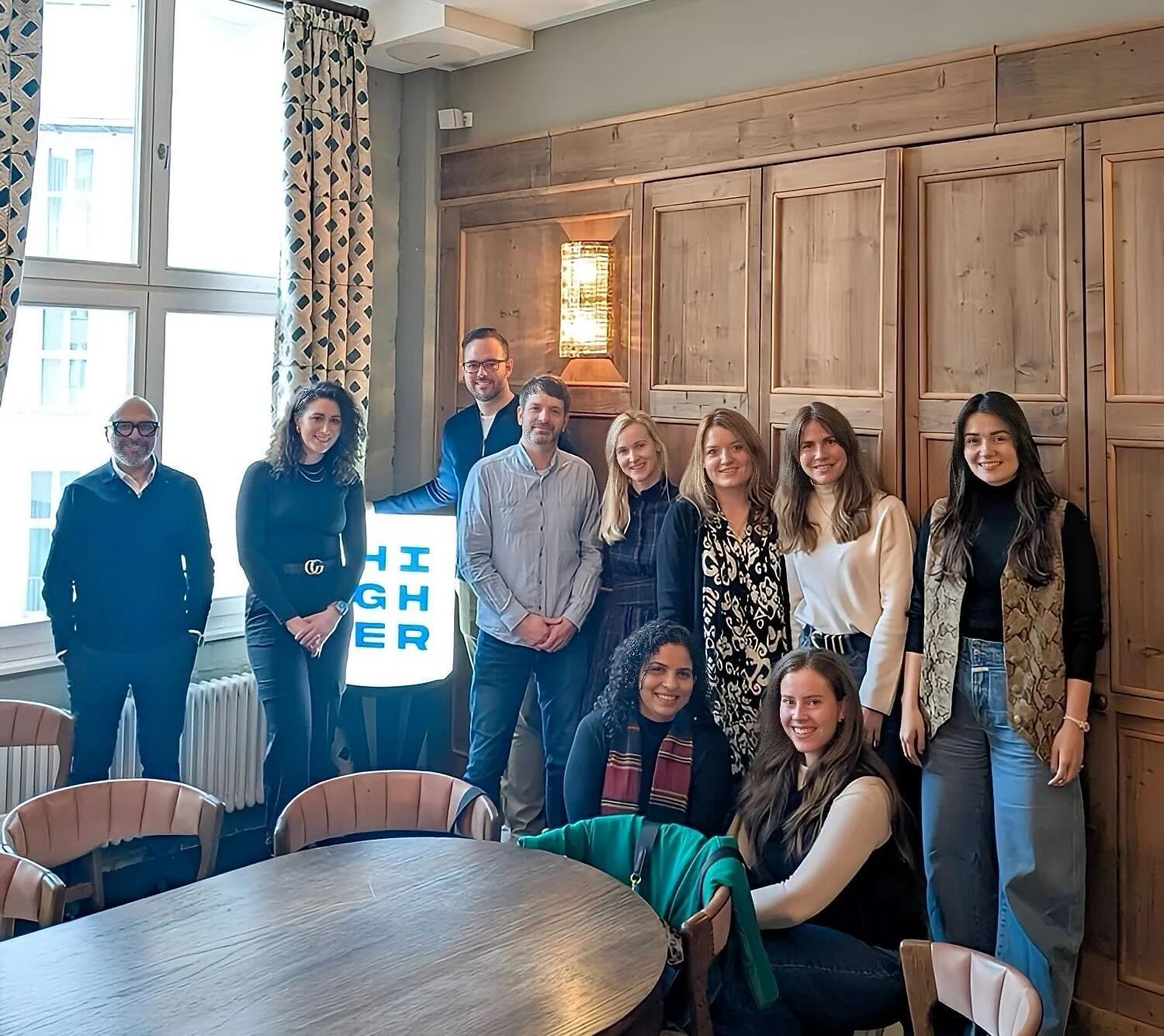
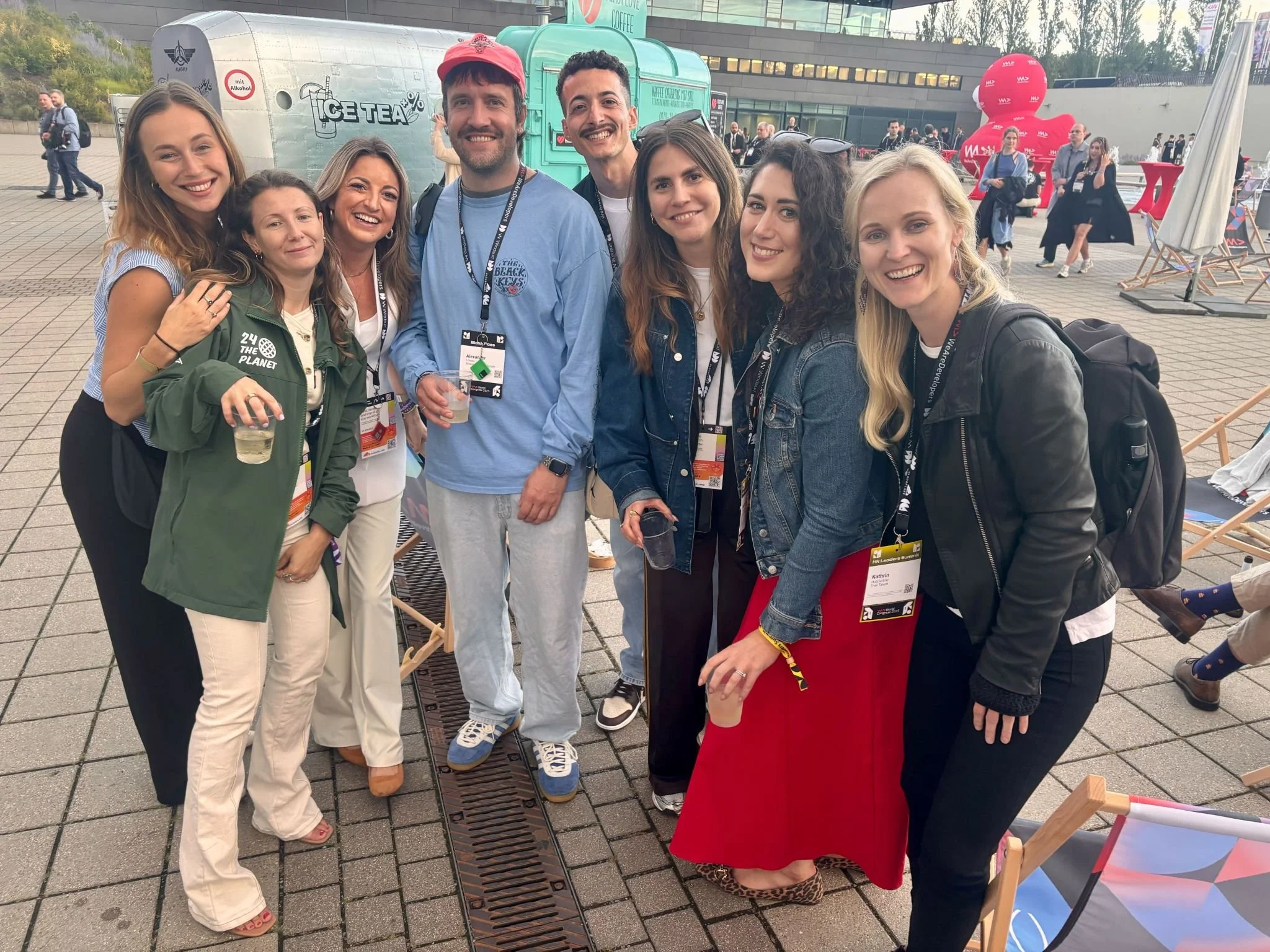
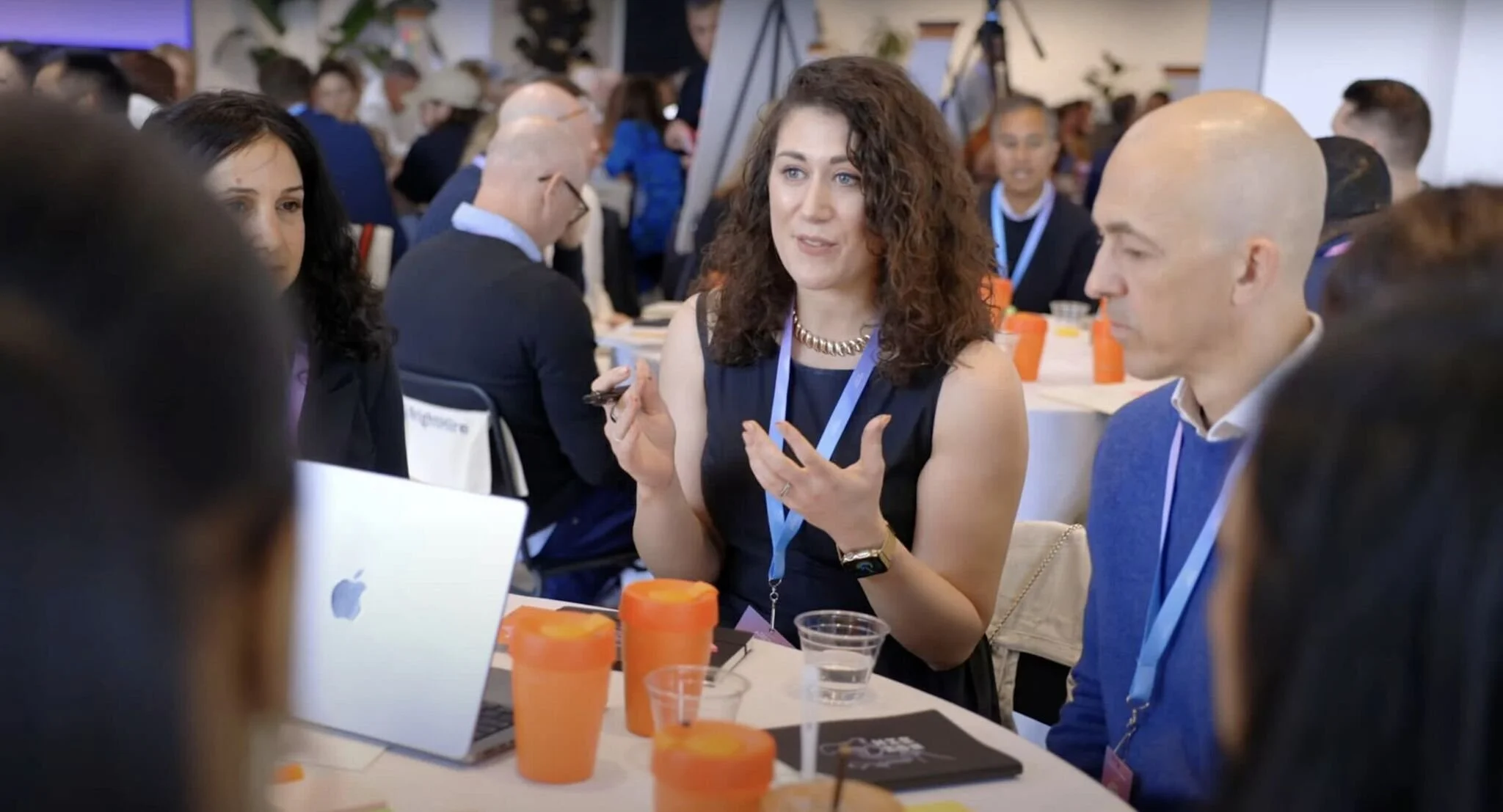
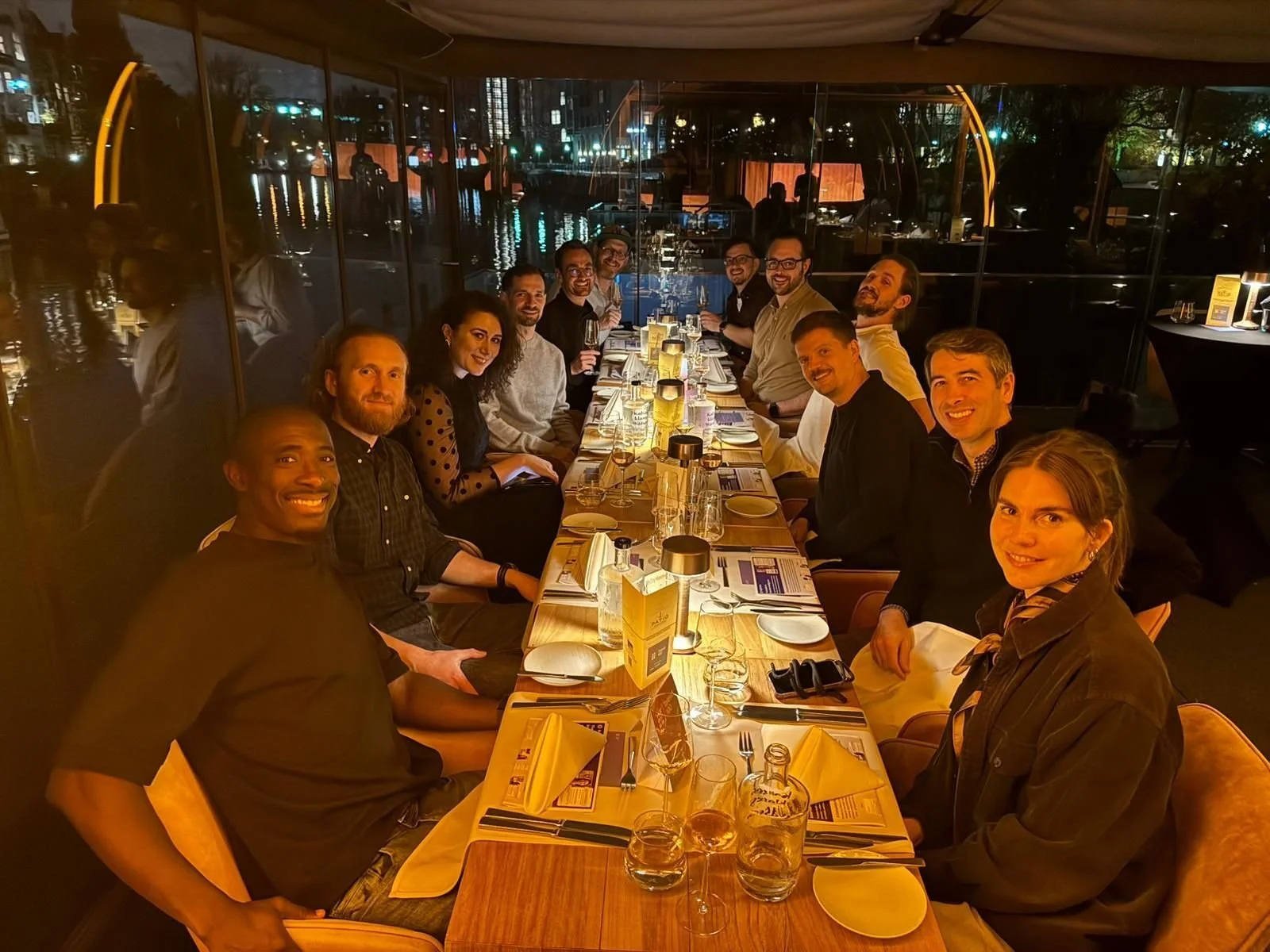
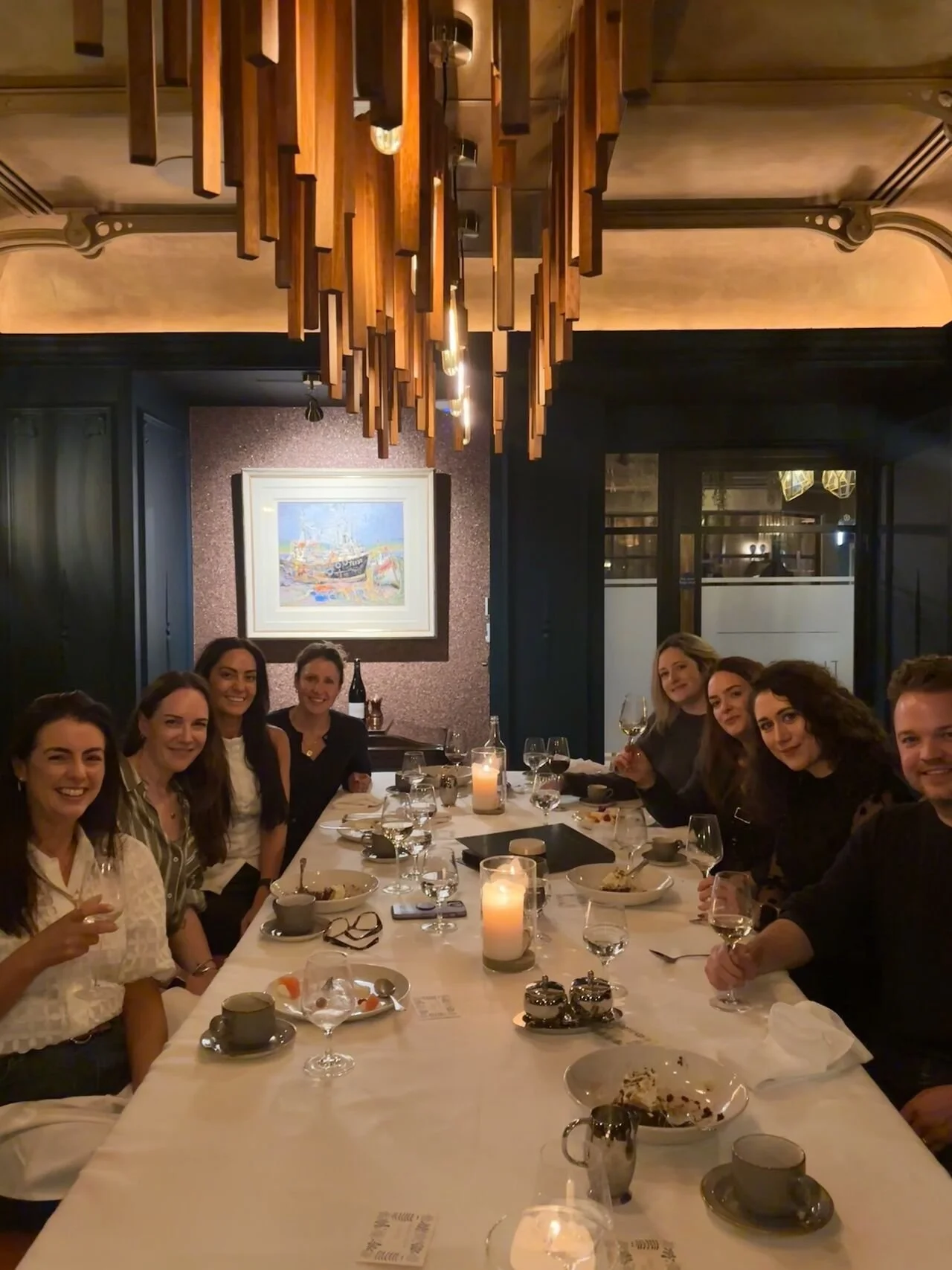
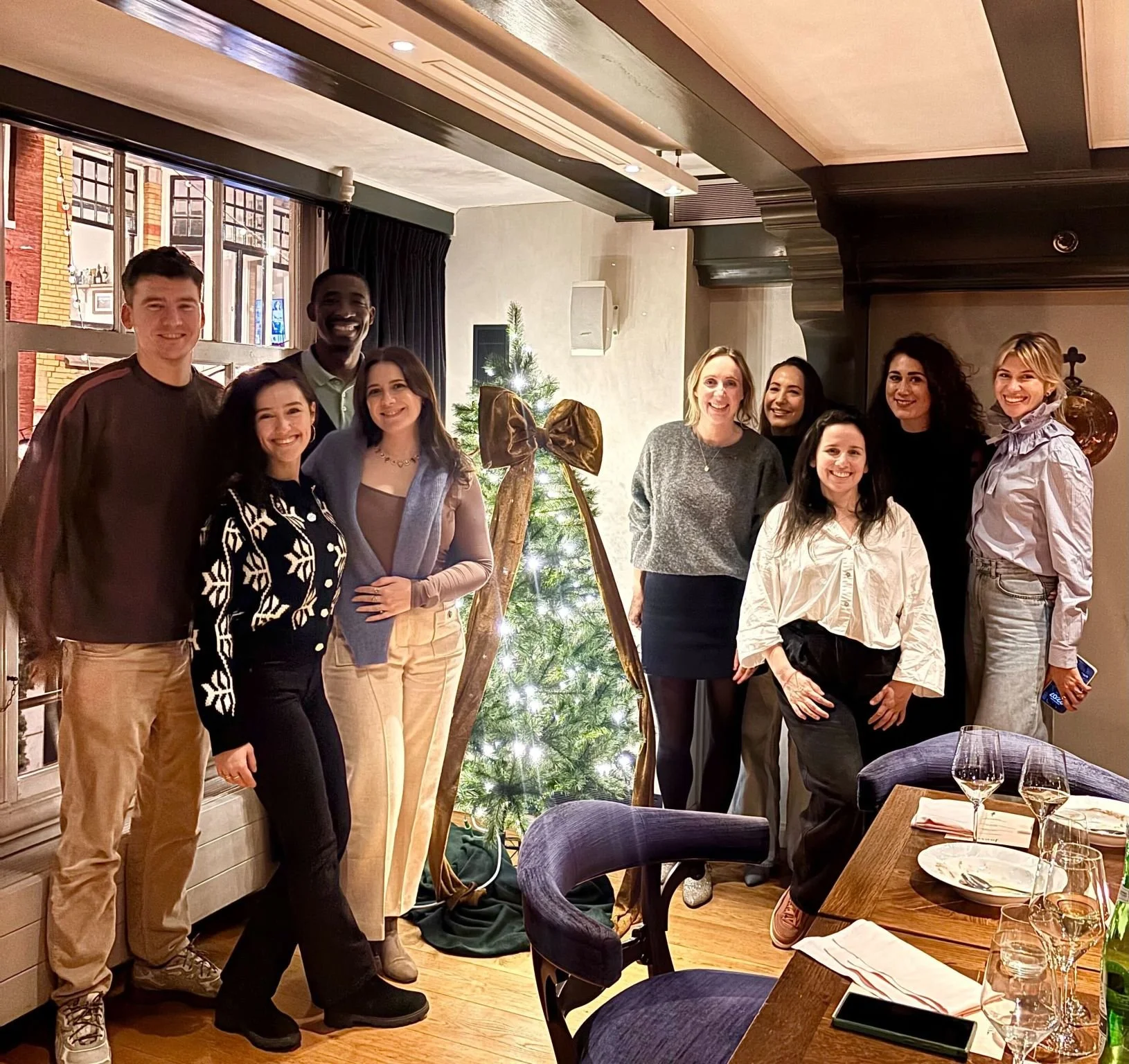
What has struck me is how much the language of Talent Acquisition is changing. It feels quieter and more thoughtful than even a year ago.
Less reactive. More intentional. Many leaders describe it as a shift from motion to meaning.
Below are six themes that showed up again and again. They’re not predictions. They’re reflections from the people who are making sense of an industry that continues to evolve at speed.
1. TA is Redefining Its Purpose
There was a time, not long ago, when TA operated in survival mode. The question was simply how many people we could hire and how fast we could move. This year, the conversation took on a new tone.
TA leaders are stepping into more strategic territory, in ways that reflect their organisation’s size, complexity, and stage of maturity.They’re experimenting with AI while building the guardrails that make it trustworthy. They’re thinking about roles through the lens of skills and adaptability rather than years of experience. And they’re using data in ways that influence investment instead of just reporting it.
Perhaps the most encouraging change is seeing human candidate experience shift back to the top of the agenda. Even as processes become more digital, teams are finding ways to make interactions feel real again.
TA is redefining what it means to create value, and it’s doing so with more intention than I have seen in a long time.
2. From Volume to Value
One of the clearest shifts this year is how leaders talk about scale. For years, the focus was on pipelines, speed and volume. Now, a different mindset is emerging.
People are talking less about how many and more about how right.
Many teams have deliberately shifted focus from pipeline size to focus on quality talent. Employer branding is becoming more honest, more grounded, and less polished. Leaders are embracing self-selection as a positive sign. If candidates opt out because the story is real, that clarity is working.
What’s interesting is how this is bringing TA, Marketing and Communications into tighter partnership. It feels less like alignment for alignment’s sake and more like shared storytelling to give a more raw, authentic view of the organisation.
There’s a quiet confidence in this shift. When the story reflects the truth, the right candidates lean in naturally.
3. AI Fatigue Is Real, but So Is the Progress
AI has dominated the conversation this year. It has also exhausted many teams. Yet underneath the noise, the most meaningful discussions are surprisingly grounded.
Most organisations are piloting tools and testing use cases. No one pretends to have the full answer. The focus has moved from adoption to alignment. The questions leaders are asking sound more like:
Where does AI genuinely improve the experience for candidates and recruiters?
What does fairness look like in practice?
How do we define success in ways that go beyond speed?
The most forward-thinking teams are focusing less on new platforms and more on building frameworks for trust, quality and accountability. They see AI as something that sharpens human judgment, not something that replaces it.
AI can streamline a process. It can surface insights. But it cannot replace belief, credibility or connection. And those are the elements that matter most when hiring decisions hold real weight.
4. The Skills-First Era Is Taking Shape
Skills-first hiring has taken on a more practical shape this year. It’s becoming part of how teams think about talent day to day. Instead of starting with job titles or fixed experience markers, leaders are paying closer attention to traits that drive success: curiosity, adaptability, resilience.
This shift is influencing the work in practical ways. Some teams are experimenting with skills maps or clearer growth pathways; others are using values and behaviours to understand where people might thrive. There isn’t a single approach, but the direction is similar. TA is beginning to play a bigger role in shaping long-term capability rather than simply filling immediate gaps.
It isn’t straightforward work, and it rarely follows a perfect process. But it is helping organisations see their talent more clearly, and make more deliberate decisions about where to develop, invest and grow.
5. The Narrative Behind the Numbers
Another pattern that emerged was a more deliberate use of data, with teams concentrating on insights that actually support stronger decision-making. Leaders are moving away from traditional metrics and towards those that reflect impact.
Time-to-fill is evolving into time-to-performance.
Cost-per-hire is being replaced by conversations about retention and productivity.
Pipeline volume matters less than the quality of conversions.
What’s interesting is that this shift is happening naturally. Not through complex dashboards but through clearer storytelling. TA teams are getting more confident in explaining what the data means, not just what it shows. As a result, finance leans in. Boards ask better questions. TA feels increasingly like a partner in decision-making rather than a function reporting into the void, but in some orgs, there is still a way to go yet.
The power isn’t in the numbers. It’s in the narrative behind them.
6. Human Connection Still Wins
Across every conversation this year, this theme came through more strongly than anything else: the human connection still wins.
AI has helped us move faster and work smarter. It has taken admin off our plates and opened new possibilities. Yet it has also reminded us of the value of the moments only humans create and the importance of humans in decision making.
What stood out most this year is how often small gestures made the biggest difference — a thoughtful note, a timely check-in, a conversation that helped someone feel understood. These moments shape a candidate’s experience far more than any tool or automation.
They are what differentiate organisations in a noisy market. They are what people remember.
Looking ahead to 2026, I suspect this will be the quiet superpower of the most effective TA teams: human-led experiences within increasingly tech-driven environments.
Closing Reflection
As we move into a new year, I keep coming back to one idea.
Technology will keep accelerating, but the organisations that stand out will be the ones that stay anchored in clarity, empathy and connection.
I’d love to hear which of these themes is landing most for you right now, and what are you taking into 2026?
If these themes are emerging in your organisation, or you’d like to explore them with peers, we’d love to continue the conversation.
If you’re already part of the HIGHER community, head to #hive-mind on Slack to continue the discussion. If you haven’t joined yet, become a member of HIGHER at www.higherhq.com.